A Good Deer Repellent to Stop Deer Eating Plants
For more than twenty years, I have been keeping deer out of my garden naturally using a good homemade deer repellent. Neighbors often ask how I do it, and I share my deer repellent recipe with them. I will share with you my homemade deer repellent recipe and explain how it is mixed and used. You can effectively stop deer from eating garden plants like roses, tulips, geraniums, lilies, bushes, trees, flowers and other plants.
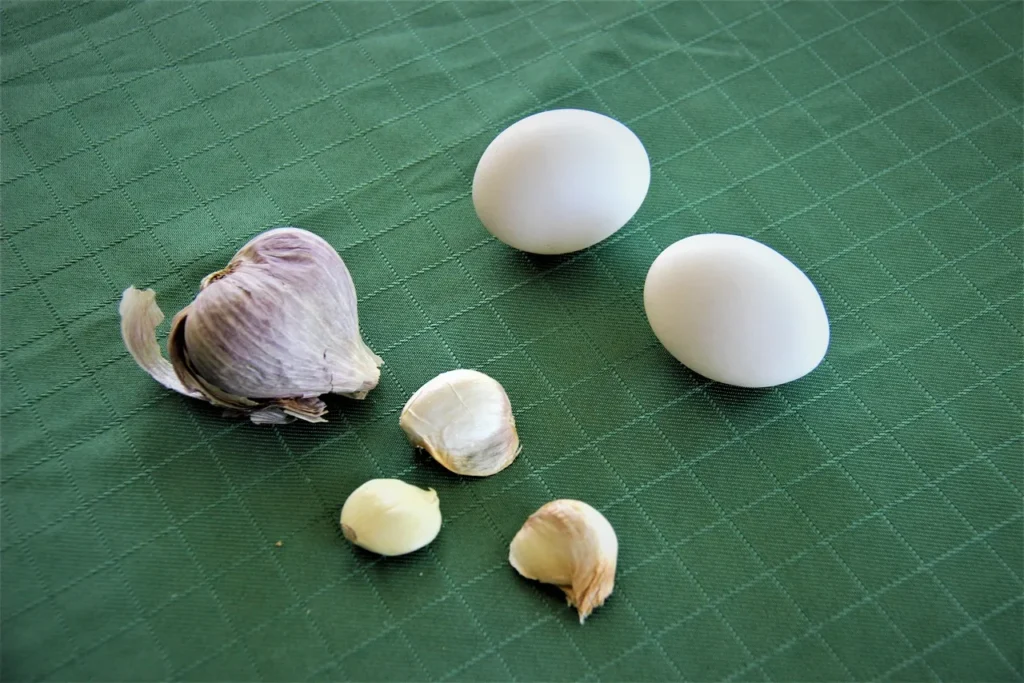
What natural ingredients makes the best good homemade deer repellent recipe?
I have found through years of making and using homemade deer repellent that a good deer repellent consists of two main ingredients. Those two ingredients are eggs and minced garlic that most people have in their home. I have been successful in stopping deer from eating garden plants using these two natural ingredients. In addition to this base of eggs and garlic, many other things can be added to this recipe to help make your repellent be more effective at keeping deer away.
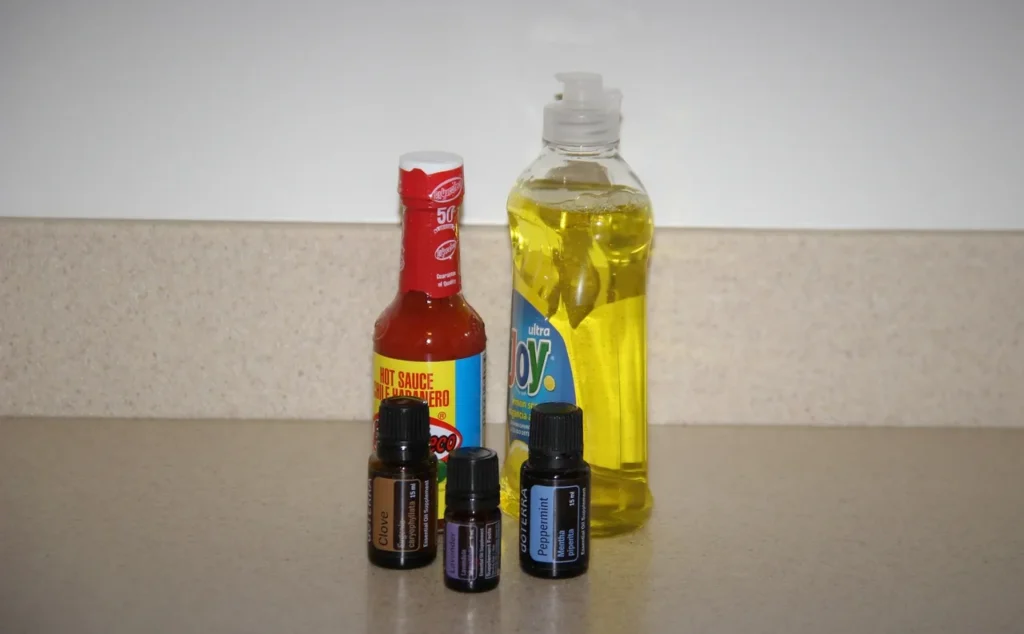
What can be added to make a homemade deer repellent more effective at keeping deer away?
There are many other ingredients that may be added to this repellent base that will help to further repel deer. Milk or yogurt are good to add because they contain casein which helps stick to, last longer and is harder to wash off. Essential oils like clove, rosemary, thyme, peppermint, or other oils may also be helpful as an additional smell deterrent. You may want to add hot sauce, cayenne, or other hot pepper as a taste deterrent. This helps, especially for those young fawns that seem to nibble on everything as they try to decide what they like best. A little dish soap can also be added and serves two purposes: As an additional smell deterrent and a surfactant or spreader sticker to help the repellent cover the plants.
Here Is a good recipe that works well.
1 dozen large eggs (about 2 1/2 cups).
1/2 cup whole milk.
2 tablespoons minced garlic.
This will make just over three cups of concentrate, and when diluted at one cup per gallon, will make three gallons of ready-to-use deer repellent spray.
Other ingredient you may add if you would like:
1 teaspoon essential oil, any single or a combination of clove, rosemary, thyme, or peppermint.
1 tablespoon hot sauce, cayenne, or other hot pepper.
1 tablespoons liquid dish soap.
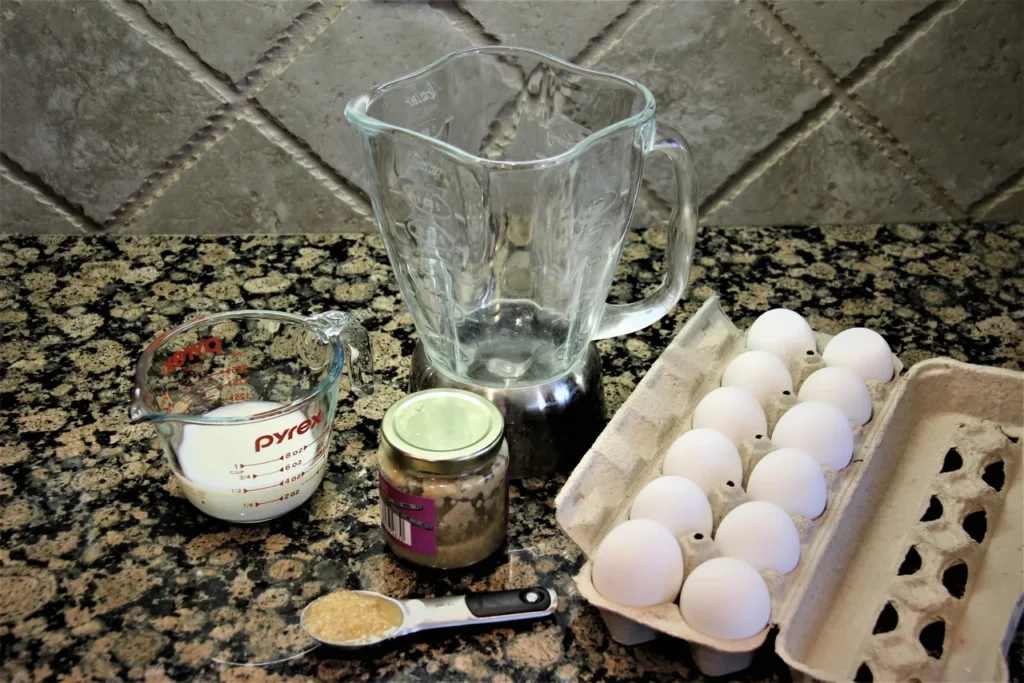
Making the Repellent
First, blend the eggs. This can be accomplished using a good household blender. After the eggs are blended, pour them into a container that is large enough to hold the amount of repellent that will be made. Then add the remaining desired ingredients and let them sit for a few days. You may use this repellent right away, or it will last for months. The garlic seems to preserve the eggs. You can keep this repellent in the refrigerator, but I keep my repellent outside, and have kept large batches for over a year.
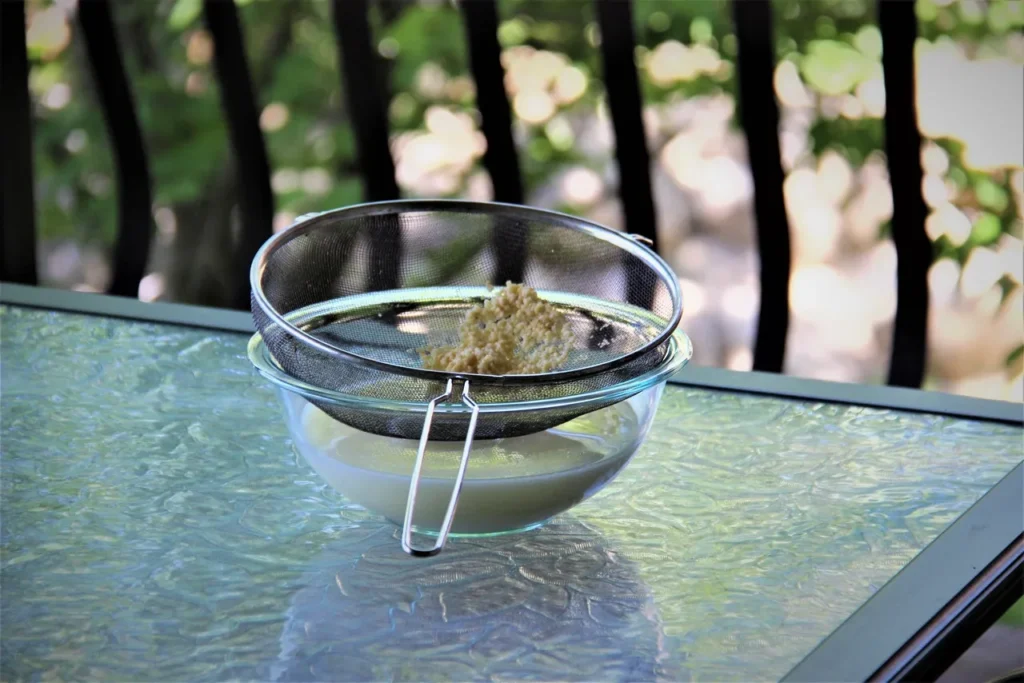
Diluting concentrate into a ready to use spray.
Use one cup of this concentrated mixture to one gallon of water and mix it in a separate container. After mixing it together, strain it using a fine strainer or screen, pouring from one container to another. Make sure that all of the garlic is removed to prevent it from clogging the sprayer. If you have problems with your sprayer clogging, you may need to use a finer strainer. The paint store usually has paper funnels with a fine mesh that may be used, or you can try using cheesecloth. I found that using a coffee strainer didn’t work well because much of the repellent saturated the strainer and was wasted.
How to apply deer repellent to your plants.
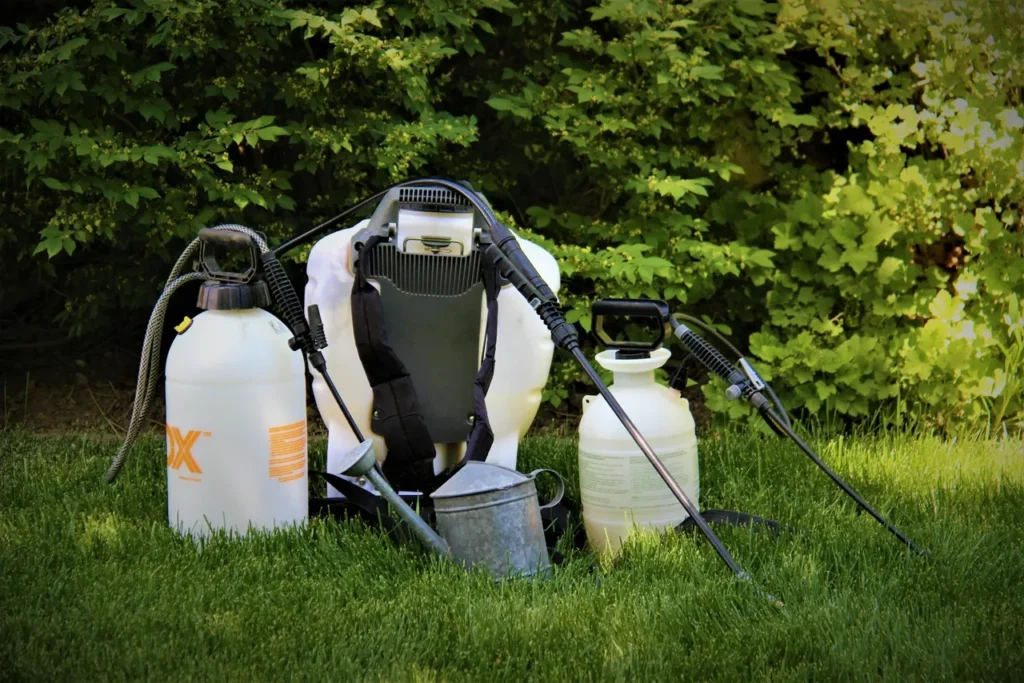
I use a good pump-up backpack sprayer to spray garden plants. Spraying all the plants in the garden works best, even the ones deer don’t usually eat. This maximizes the smell and keeps deer away. A watering can may be used in smaller areas, but is harder to control how much repellent is applied. I recommend spraying every other week, but every three or four weeks will work depending on your deer problem. Remember the more often you spray, the more effective it is. If lots of rain or sprinklers hit your plants, it is good to reapply more often. Small amounts of rain doesn’t lessen the sprays effectiveness. I recommend spraying fast-growing plants like roses, tulips, and grape vines weekly. After the spray dries, it’s not real noticeable to humans, but deer have such a keen sense of smell, they don’t like it and will avoid eating the plants.
Give making homemade natural deer repellent a try, its not that hard
It really is not hard to make your own good homemade deer repellent. However, it does take some time and can sometimes be a bit messy. I know from my own experience that homemade deer repellent works to stop deer from eating garden plants. You must be consistent in following a regular spray schedule and be thorough in your spraying practices. If this sounds like too much work, trouble, and mess for you. There are deer deterrent companies that will provide this service for you on a regular basis, just like having someone mow your lawn, or any other yard service.
If interested in my woodworking tips visit rcabinets.com
Leave a Comment